General Motors has proven that they can produce a matte finish. The technology is present internally, implemented across GMC and Cadillac products, at a price that suggests confidence rather than restraint. But Chevy buyers – who represent GM’s core volume – are still largely excluded. The sole exception, the Silverado EV, only underscores the inconsistency.
The question is simple: why?

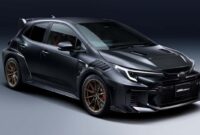
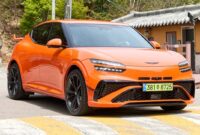
Matte paint is no longer a novelty reserved for six-figure luxury vehicles. Brands like Hyundai and Kia have normalized it. A Hyundai Tucson or Santa Fe can be had with a matte finish for around $1,000. Kia offers Shadow Matte Gray on the Sportage for under $600. This is not a halo car. They are mainstream crossovers aimed at practical buyers.
Meanwhile, GM is positioning essentially the same finish (GBL color code) at a much higher price point. The Magnus Gray Matte on the Silverado EV and Sierra EV is close to $4,000. Cadillac pushes it even further, approaching $6,000 on the Escalade IQ. The spread is hard to justify when competitors provide a similar visual impact at a fraction of the cost.
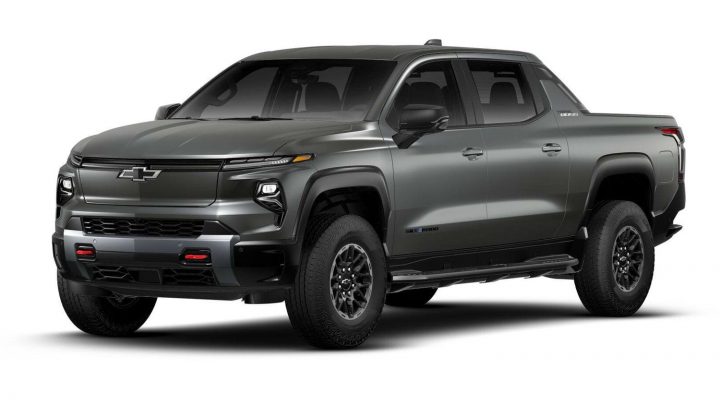
Chevy, in particular, missed an opportunity. The brand trades on accessibility and broad appeal. Matte paint aligns with both. This offers visual distinction without changing the underlying vehicle. This is a low-risk way to add perceived value and showroom interest. More importantly, it meets changing market expectations.
The absence becomes more glaring when considering enthusiast products. The Corvette, a car that prioritizes personalization, does not offer a matte option, with the exception of the limited edition ZR1X Quail Silver Limited Edition finished in Blade Silver Matte. This omission feels intentional, but not strategic.

GM’s Korean rivals have shown that matte paint is no longer just for luxury brands. Chevy should offer it accordingly.
SUBSCRIBE TO GM AUTHORITY
We’ll send you an email or two a day with the latest GM news coverage. It’s completely free.