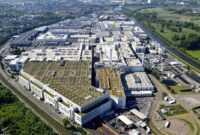

Detroit Free Press reports that General Motors has acquired a newly built assembly support facility at the former Palace of Auburn Hills site, marking a change in strategy for the automaker’s Michigan operations. The purchase was completed on March 26thgiving GM direct control of the plant originally intended to be operated by supplier Piston Automotive as part of a broader electric vehicle plan tied to Orion Assembly. Those plans have changed. GM will now use the site to support internal combustion truck production scheduled to begin in 2027.
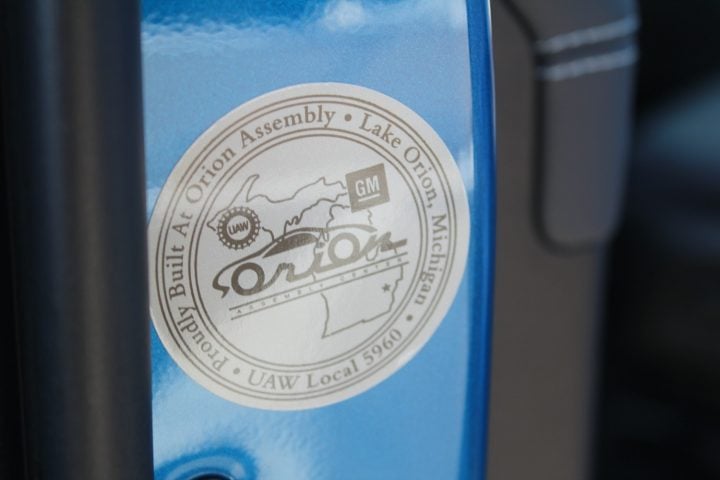
A General Motors spokesperson confirmed the change in direction, stating that the facility will “support factory production of the gasoline-powered Cadillac Escalade, Chevrolet Silverado, and GMC Sierra light pickup.” The move is in line with GM’s decision to consolidate most of its electric vehicle production at Factory Zero in Detroit-Hamtramck, so the Orion will have to switch to traditional full-size trucks. The Auburn Hills location will serve as a value-added assembly operation, helping assemble components and streamline production flow.
The facility itself occupies 110 acres where the Palace of Auburn Hills once stood, a location with long-standing ties to the industry and culture of the Detroit area. General Motors broke ground on the $200 million plant in mid-2024. The structure is modern and purpose-built, designed for logistical efficiency rather than final assembly. Its proximity to Orion Assembly positions it as a key hub in GM’s regional manufacturing network.

The project will create around 400 jobs once operational. That’s less than about 1,000 positions originally projected when the plant was built under previous electric vehicle-focused plans. Still, the investment strengthens GM’s commitment to Southeast Michigan as it recalibrates its production mix. Orion Assembly will increase truck production along with existing capacity in Fort Wayne, Indiana, increasing total volume for high-demand models.
General Motors declined to reveal the purchase price. However, the acquisition suggests a preference for tighter operational controls as the company navigates the shift in demand between electric and internal combustion vehicles. The Auburn Hills location, once tied to a different future, now supports a more immediate and profitable segment of GM’s portfolio.