National Highway Traffic Safety Administration (NHTSA) has launched a new national effort to reduce road deaths, introducing the “Path to Safer Roads” (P2SS) initiative as a comprehensive traffic safety action plan. Announced by the US Department of Transportation on April 21stthe program outlines eight targeted strategies designed to address the most common causes of fatal crashes, including distraction, speeding, distraction, and failure to use a seat belt.
According to NHTSA Administrator Jonathan Morrison, this initiative marks a change in both tone and scope. “The Trump administration launched the most comprehensive traffic safety initiative in NHTSA history, directly addressing the highway safety crisis,” Morrison said. “This starts with rebuilding the relationships with our law enforcement partners that were abandoned by the previous administration.” He added, “At NHTSA, we support new and better steps to target and reduce poor driving behaviors that lead to serious crashes.”

A key component of P2SS focuses on re-engaging law enforcement. The agency plans to restore grant funding, expand partnerships, and implement high-visibility enforcement strategies. NHTSA will also host a national summit to align federal and local efforts and recognize outstanding officers through the “Local Heroes” program.
Distracted driving remains a major concern. NHTSA will support states in developing tracking systems for repeat offenders and encourage broader use of ignition interlock devices. The agency also intends to expand toxicology testing and promote oral fluid testing technology to better detect drug use among drivers.
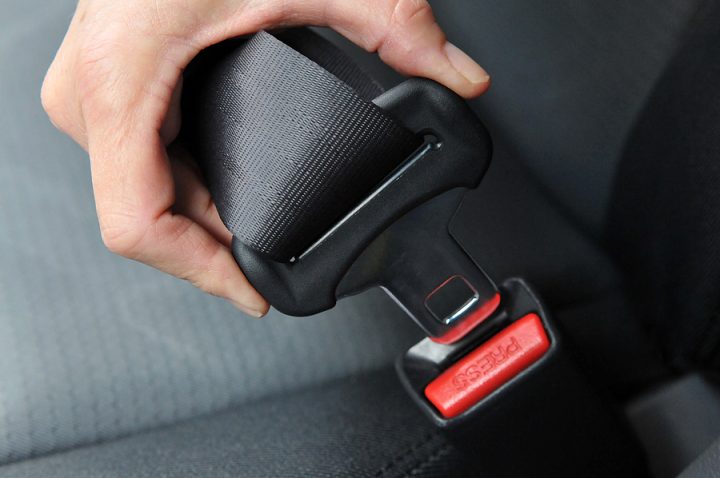
Seat belt compliance is another point of focus. With nearly half of passenger deaths involving individuals not wearing seat belts, NHTSA is promoting targeted enforcement campaigns and working with military partners to improve child seat installation practices.
The initiative also tackles excessive speeding through stricter penalties and the potential use of intelligent speed assistance systems for repeat offenders. To combat distracted driving, NHTSA is continuing its “Drop the Phone or Pay” campaign while researching mobile telematics data to better understand driver behavior.

In addition to prevention, P2SS includes measures to increase post-accident survival rates. The agency has committed $80 million to expand prehospital blood transfusion capabilities, citing research showing a 37 percent reduction in mortality in severely injured patients.
Additional efforts include expanding partnerships with federal agencies and increasing support for state highway safety offices through new data tools and AI-based resources. Collectively, these steps position P2SS as a broad, data-driven approach to reducing traffic fatalities across the United States.
SUBSCRIBE TO GM AUTHORITY
We’ll send you an email or two a day with the latest GM news coverage. It’s completely free.