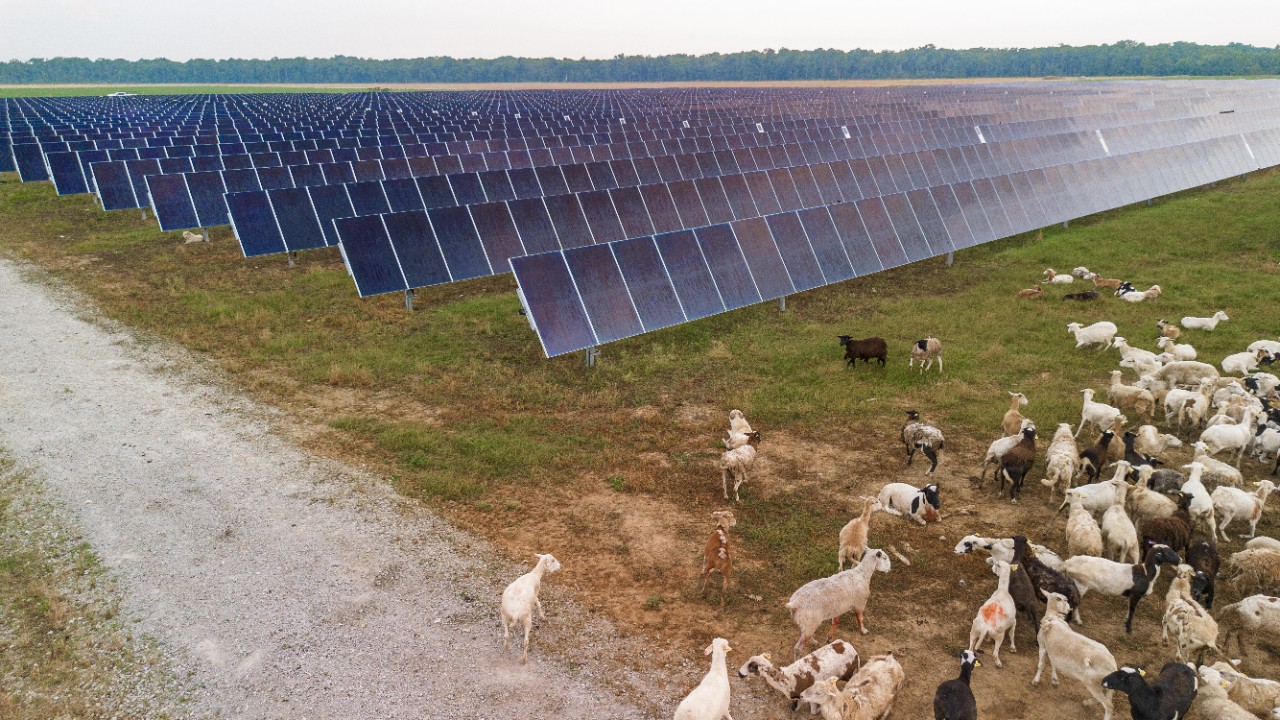
General Motors has reached a major milestone in its energy transition, providing enough renewable energy to cover 100 percent of the electricity used across its U.S. operations. The milestone, set for 2025, makes GM the first U.S. automaker to reach the benchmark and marks a measurable shift in how the company powers its factories, offices and technical centers.
“Managing energy use isn’t just a check box on today’s corporate environmental reports; it’s a business necessity,” said Cassandra Garber, GM’s chief Sustainability Officer. The statement reflects broader changes in the industry, where energy sources now carry financial and operational implications as well as environmental impacts.

GM’s approach relies on “energy matching,” which contracts green energy in proportion to its consumption. The company leverages a combination of utility programs, virtual power purchase agreements, renewable energy credits, and limited on-site power generation. By 2025, utility programs account for 40 percent, while VPPA accounts for 37 percent. The balance comes from RECs, standard renewable energy supplies, and small-scale power generation sources.
This strategy goes beyond accounting. GM has reduced scope 1 and 2 emissions by 52 percent since 2018, indicating that the shift to renewable energy is impacting its actual operational footprint. At the same time, the company reports the economic benefits associated with its investment. Since 2015, GM-related domestic renewable energy projects have generated a GDP impact of approximately $1.9 billion, with additional profits expected from projects contracted through 2026.

The company also emphasizes stability. Long-term renewable energy contracts reduce exposure to changes in energy prices, while broader grid participation increases reliability. GM notes that these projects support approximately 1,500 construction jobs annually and contribute tax revenue to local communities.
Progress continues beyond the U.S. GM matched 70 percent of its global electricity use with renewables by 2025, nearly doubling the rate in 2023. Projects in Mexico and Brazil contributed to the increase, and the company remains on track with its goal of full global coverage.

These efforts also extend to the supply chain. GM is encouraging partners to adopt similar practices through programs aimed at expanding the use of renewable energy in the automotive sector.
The result is coordinated change: cleaner energy inputs, reduced emissions, and more predictable cost structures. GM’s achievements became the basis for implementing large-scale industrial electrification in practice.
SUBSCRIBE TO GM AUTHORITY
We’ll send you an email or two a day with the latest GM news coverage. It’s completely free.