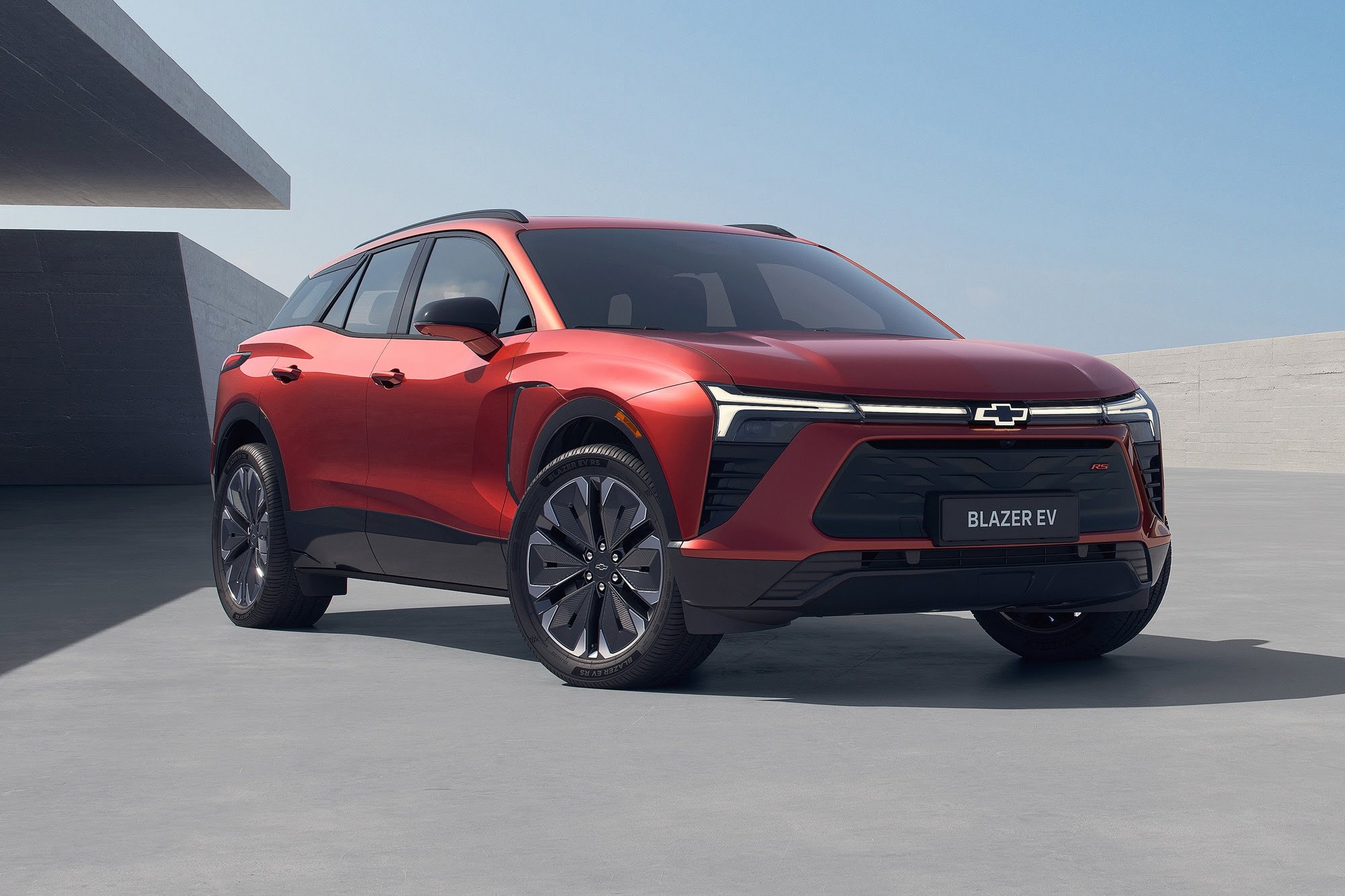
The 2027 Chevy Blazer EV will adopt the North American Charging Standard (NACS) charging port, marking a significant shift from the CCS1 connector used on previous versions of the all-electric crossover. The move aligns the Blazer EV with General Motors’ broader transition to NACS across its EV lineup, a strategy first confirmed for the 2026 model year.
For Chevy, the Blazer EV is one of the next vehicles to follow this path. The vehicle follows the 2027 Chevy Bolt, which also features a NACS port, while the 2026 Cadillac Optiq holds the title of being the first GM vehicle to implement the change. The decision reflects a growing industry consensus around NACS as a unified charging solution, driven in part by its integration with Tesla’s extensive Supercharger network.

GM has stated that customers will not lose access to existing charging infrastructure. Adapters will be available for home and public use, enabling compatibility with CCS Level 2 equipment and legacy CCS fast chargers. This dual access approach is intended to smooth the transition for current and future electric vehicle owners. As GM said when outlining its charging strategy, the goal is to “simplify the customer experience while expanding access to reliable charging.”
The implications for Blazer EV buyers are clear. NACS’ native capabilities provide direct access to one of North America’s largest fast charging networks without the need for an adapter, while maintaining flexibility through optional hardware. For many consumers, this reduces friction in daily use and long-distance travel.
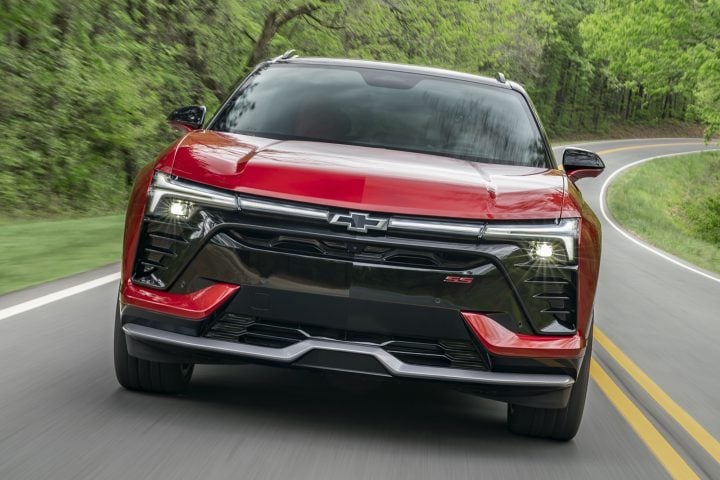
The broader context is hard to ignore. Automakers across the industry have begun to standardize around NACS, signaling a shift away from the fragmented charging landscape that defined the early electric vehicle market. GM’s phased rollout, starting with Cadillac and expanding to Chevy’s core electric vehicle offering, shows a measured but firm commitment.
For the 2027 Chevy Blazer EV, the updates don’t change its core identity as a midsize electric crossover. However, it does address an important aspect of ownership: charging convenience. In segments where infrastructure can influence purchasing decisions, such changes may be more impactful than incremental updates to range or performance.
SUBSCRIBE TO GM AUTHORITY
We’ll send you an email or two a day with the latest GM news coverage. It’s completely free.