The sixth-generation Chevy Camaro was officially discontinued in December 2023 for the 2024 model year, with fans around the world lamenting its departure. Luckily, General Motors has confirmed their thoughts on the next-generation Camaro, although at this point, details are still scant. Even so, we can’t help but daydream about what might be – for example, what about a new 6.7L V8 LS6 engine?

For readers who may have missed it, the new 6.7L LS6 V8 recently debuted with the new C8 Corvette Grand Sport, serving as a direct replacement for the 6.2L V8 LT2 found in the C8 since its launch. The new naturally aspirated Small Block LS6 is rated at 535 horsepower and 520 pound-feet of torque, with a compression ratio of 13.0:1 and a redline of 6,600 rpm. The LS6 also features direct and port fuel injection, and is based on an aluminum block with aluminum heads and cast iron cylinder liners. Check out our previous coverage for more on what the LS6 brings to the table.

Putting all that good stuff into a future seventh-generation Chevy Camaro would immediately make a name for itself Serious performance area. Even with minor tweaks to maintain the Corvette’s hierarchy, an LS6-powered Camaro could realistically produce around 500 horsepower, a considerable amount for any sports car, even in today’s power-heavy market.
While equipping the more affordable Chevy Camaro with a Corvette-derived engine may seem odd at first glance, history suggests otherwise. In fact, GM has repeatedly shared powertrains between the two nameplates, most recently the sixth-generation Camaro SS and the LT1 V8, which is also found in the C7 Corvette Stingray. There’s also the fifth-generation Camaro SS, which offers the LS3 from the C6, and the fifth-generation Camaro Z/28, which adopts the LS7, also from the C6.
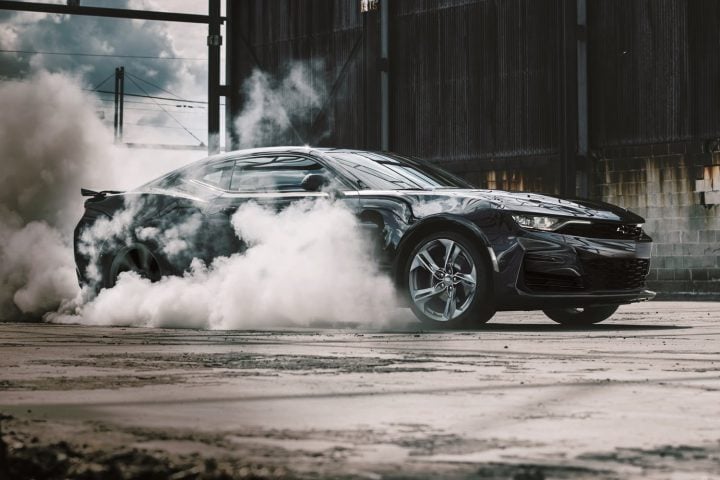
Sixth generation Chevy Camaro
Beyond technical and enthusiastic appeal, profitability remains the deciding factor here. GM executives have previously determined that the next-generation Chevy Camaro must meet tight financial targets, especially as the company seeks to balance its previous EV commitments with its goal toward software-defined vehicles in the future. This means that any LS6-powered Camaro will have to factor in development and production costs, either through sufficient volume, premium pricing, or both.
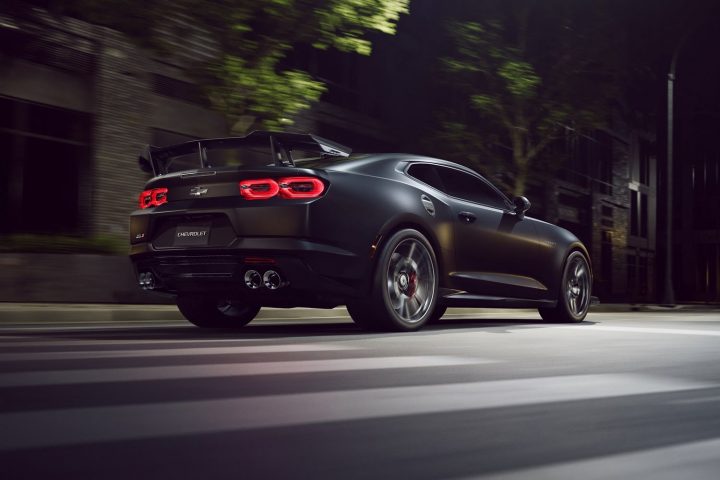
Sixth generation Chevy Camaro
That said, we still think the LS6-powered Chevy Camaro represents an interesting vision for the nameplate’s return, offering naturally aspirated power and track-ready capability. It would also reconnect the Camaro with its performance roots at a time when V8 engines in the air were few and far between.
But what to do You think about? Let us know what you think in the comments!
SUBSCRIBE TO GM AUTHORITY
We’ll send you an email or two a day with the latest GM news coverage. It’s completely free.