GM is reportedly delaying development of its next-generation EV truck, putting the program on hold as the company recalibrates its broader electric product strategy.
According to reports from Crain’s Detroit Businessciting anonymous people familiar with the matter, the move comes in response to lower-than-expected demand for battery-electric pickups and SUVs, alongside a new emphasis on internal combustion engines and hybrid propulsion systems.

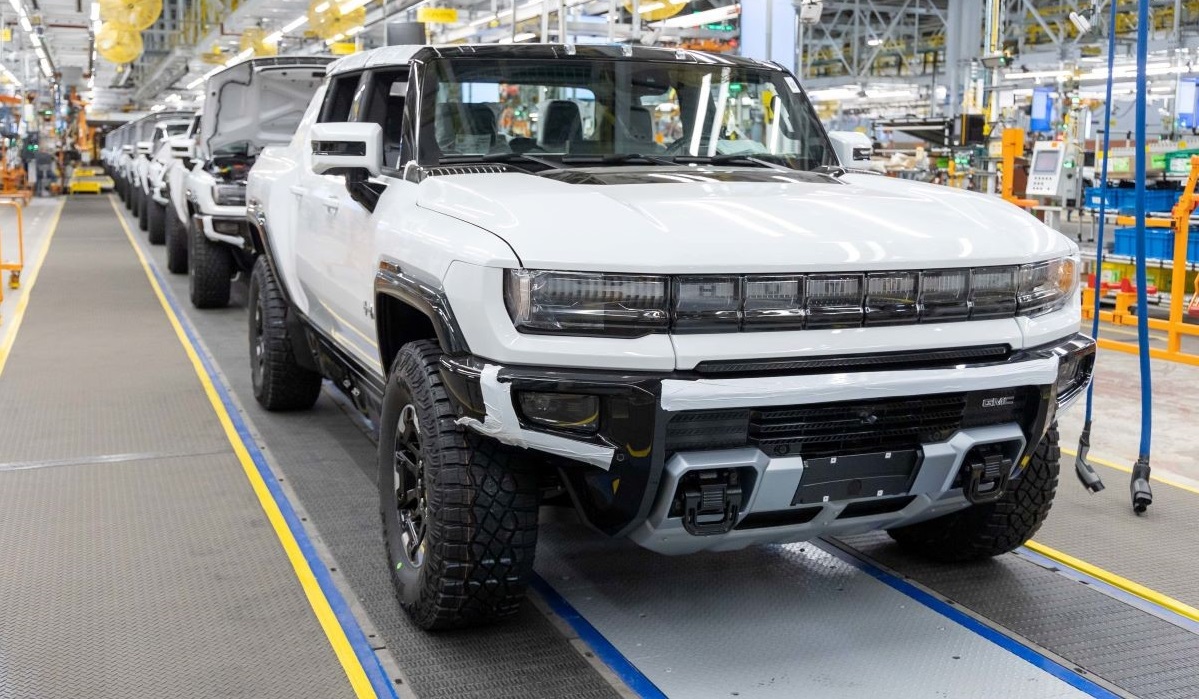
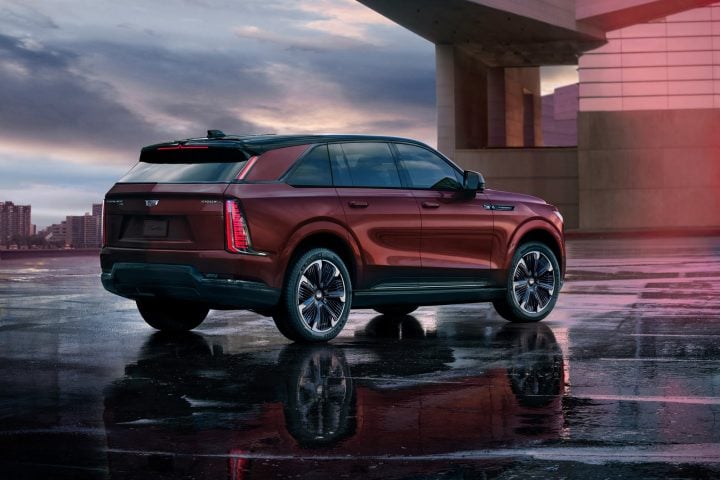
General Motors was previously expected to launch a wave of new, lower-cost electric trucks and SUVs, including successors to the GMC Hummer EV, Cadillac Escalade IQ, GMC Sierra EV and Chevy Silverado EV. These new models were planned to enter production around the 2028 timeframe, but sources now indicate that the proposed next-generation models will likely not arrive before the 2030 calendar year.
Despite the delays, General Motors will continue to produce its current portfolio of electric trucks at its Factory Zero plant in Michigan. At the same time, The General is reallocating resources to other propulsion strategies, including an updated ICE-based GM T1 truck platform, known internally as the T1-2, currently slated for production at Orion Assembly. As GM Authority discussed previously, the T1-2 will support the next-generation 2027 Chevy Silverado 1500 and 2027 GMC Sierra 1500.
GM is also evaluating existing electric alternatives between traditional ICEs and full battery-electric vehicles, with plans to offer new plug-in hybrid variants of the Silverado and Sierra, as well as a long-range electric system that would combine an electric drivetrain with an internal combustion engine that functions solely as an electric generator.
A GM spokesperson has stated that no official timeline or plans for the next generation of battery-electric trucks have been announced.

The automotive market continues to face headwinds in the electric vehicle space amid fluctuating customer demand, the expiration of the federal electric vehicle tax credit, and the easing of emissions restrictions. Competitors such as Ford and Stellantis have also adjusted their electrification timetables, including the discontinuation of several major electric vehicle programs and a greater focus on hybrid solutions and flexible platforms. Additionally, GM and other major OEMs have taken massive write-downs as they reduce investment in electric vehicles.
Nevertheless, earlier this year, General Motors CEO Mary Barra emphasized that electrification remains the ultimate goal, and electric vehicles are the “north star” for the automaker.
SUBSCRIBE TO GM AUTHORITY
We’ll send you an email or two a day with the latest GM news coverage. It’s completely free.