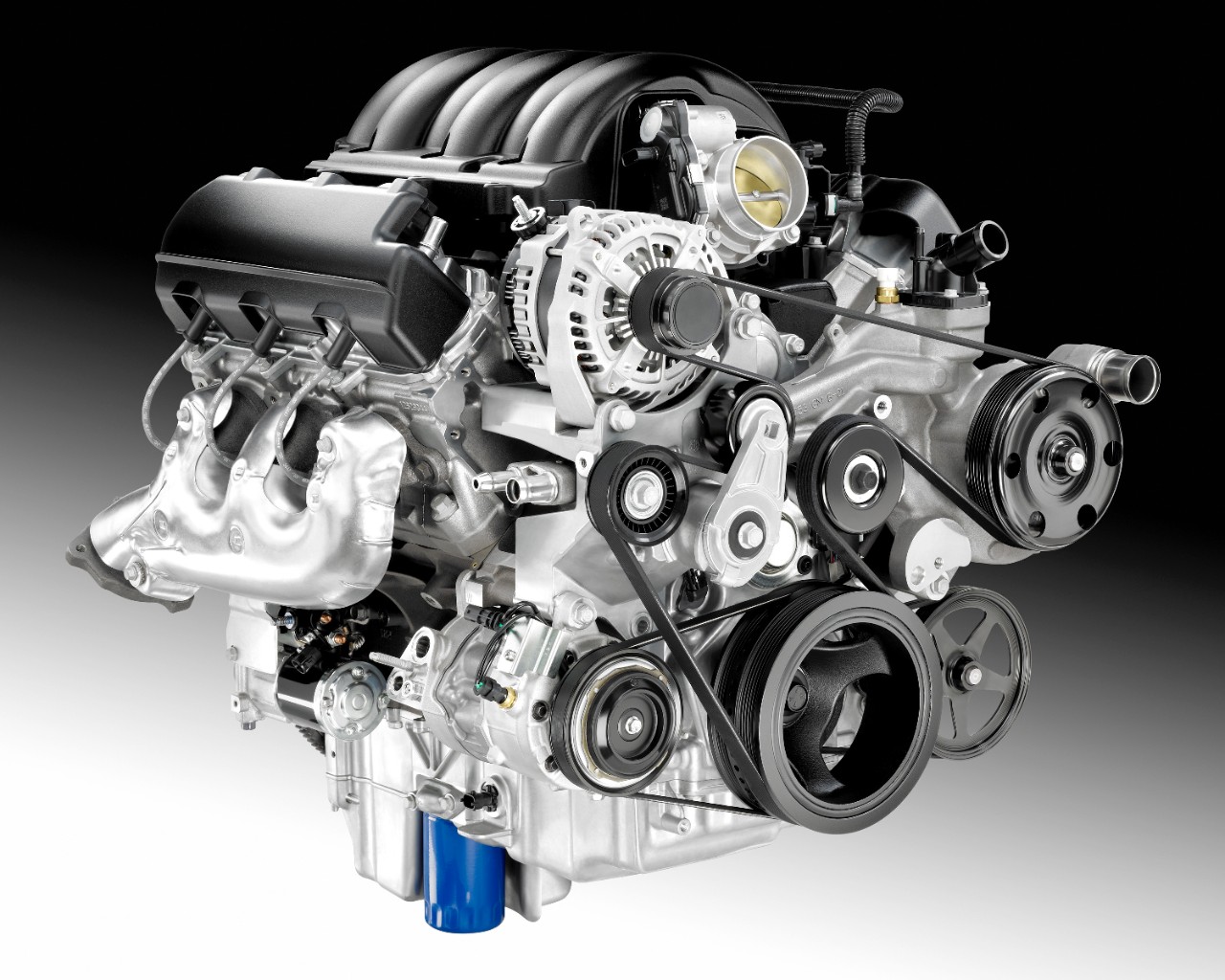
General Motors is currently readying redesigns for the Chevy Silverado 1500 and GMC Sierra 1500, both slated for new generations in time for the 2027 model year. According to our extensive coverage, which has included spy photos, trim level info, and new long-range exclusive variants, the updated lineup will also include updated powertrain options. To that end, the new 2027 Chevy Silverado and GMC Sierra will offer the 2.7L I4 L3B Duramax and 3.0L I6 LZ0 turbocharged turbodiesel engines, both carryovers from the current generation, plus two new Gen 6 V8 gasoline engines. Still, with regulatory pressure easing, not to mention increasing concerns surrounding some of GM’s current powertrains, one has to wonder – should GM revisit simpler naturally aspirated solutions like the 4.3L V6 for the 2027 Chevy Silverado and GMC Sierra?
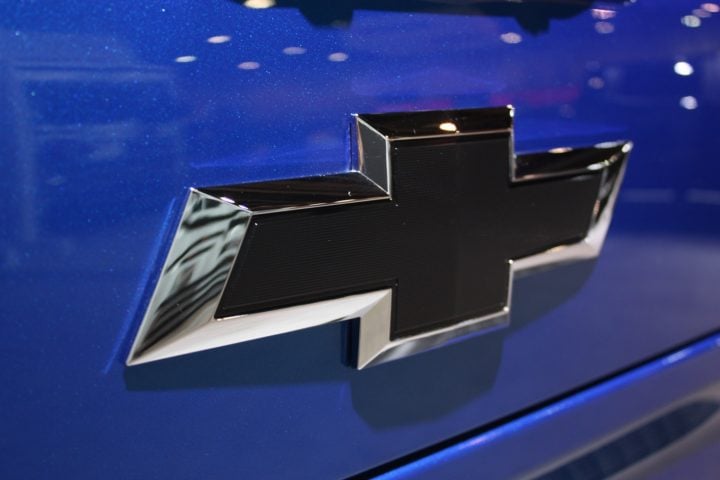
The 4.3L V6 (specifically the LV3) served as the base engine in the Silverado and Sierra until being discontinued after the 2021 model year. During its tenure, the 4.3L V6 LV3 earned a reputation for durability, mechanical simplicity, and ease of maintenance, traits that have become increasingly appreciated as modern engines have become more complex. Today, although GM no longer offers the LV3 in its full-size pickups, it offers the 4.3L LV1 in the Chevy Express and GMC Savana, which is closely related to the LV3 but omits Active Fuel Management (AFM).
Given the widespread impact of the 6.2L L87 V8 engine recall and recent service bulletins related to the Duramax LZ0 diesel, the appeal of the proven, naturally aspirated V6 engine is becoming increasingly clear. Therefore, we should also make a direct comparison between the 4.3L LV3 engine and the current 2.7L L3B turbo engine to see (at least on paper) how they line up and whether it makes sense for cars like the 2027 Chevy Silverado and GMC Sierra.
GM 4.3L V6 LV3 vs Turbo 2.7L I4 L3B
| 21 ME 4.3L V6 LV3 | 26I Turbo 2.7L I4 L3B | |
|---|---|---|
| Power (hp) | 285 @ 5,300 | 310 @ 5,600 |
| Torque (lb-ft) | 305 @ 3,900 | 430 @ 3,000 |
| 2WD City/Highway/Combined (mpg) | 16/21/17 | 18/21/20 |
| 4WD City/Highway/Combined (mpg) | 15/20/17 | 17/21/19 |
| Max Trailer (lbs) | 7,900 | 9,500 |
Looking at the specs, the L3B produces 310 horsepower and a whopping 430 pound-feet of torque (up from 348 in the 2022.5 model year), significantly outperforming the LV3’s 285 horsepower and 305 pound-feet. The turbocharged four-cylinder engine also delivers better fuel economy, with a combined increase of about 2 to 3 mpg depending on the drivetrain configuration. Towing capacity is another key differentiator, with the L3B rated at up to 9,500 pounds compared to the V6’s maximum of 7,900 pounds.

In short, the L3B is objectively superior on paper, offering more power, better efficiency, and greater capability, all from a smaller capacity engine. However, raw numbers don’t tell the whole story. The 2.7L L3B, while generally considered a strong performer, relies on boost for its output. This introduces complexity, which can impact cost of ownership and long-term reliability (at least when it comes to buyer perception).
In contrast, the 4.3L V6 represents a more traditional approach, with a naturally aspirated design and lower stress levels, all of which may appeal to buyers who prioritize simplicity over peak performance. While other automakers rely heavily on turbocharged engines, atmospheric aspiration might make a big difference.
But what to do You think about? Would reintroducing the 4.3L V6 be an interesting “back to basics” engine for the 2027 Chevy Silverado and Sierra?
Let us know what you think in the comments!
SUBSCRIBE TO GM AUTHORITY
We’ll send you an email or two a day with the latest GM news coverage. It’s completely free.