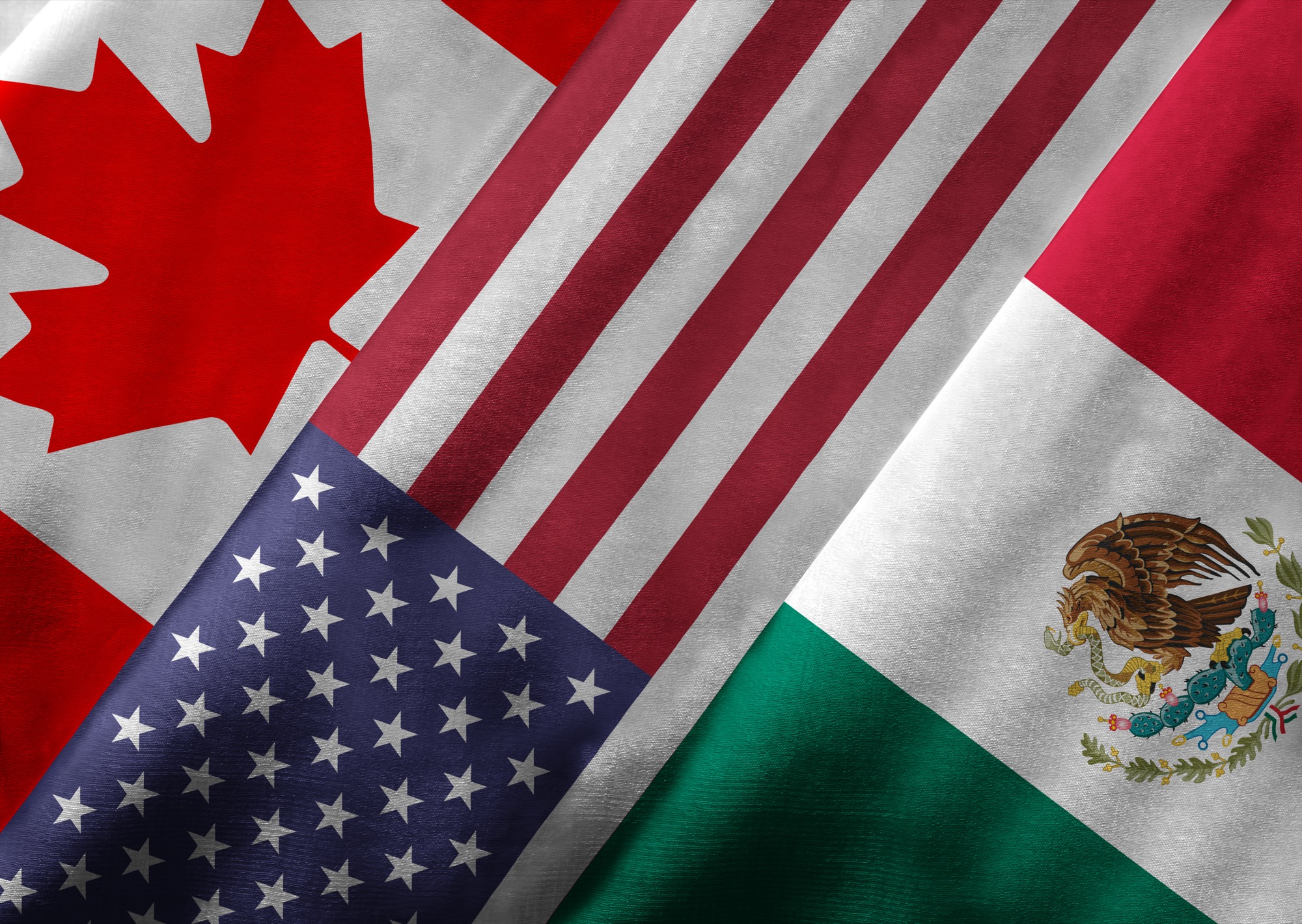
Foreign automakers are warning that the future of affordable vehicles in the United States may depend on the fate of the United States-Mexico-Canada Agreement (USMCA), according to a report. Wall Street Journal report. Without an updated and favorable version of the trade agreement, some global OEMs are considering pulling their lowest-priced models from the American market, a move that would further burden entry-level buyers.
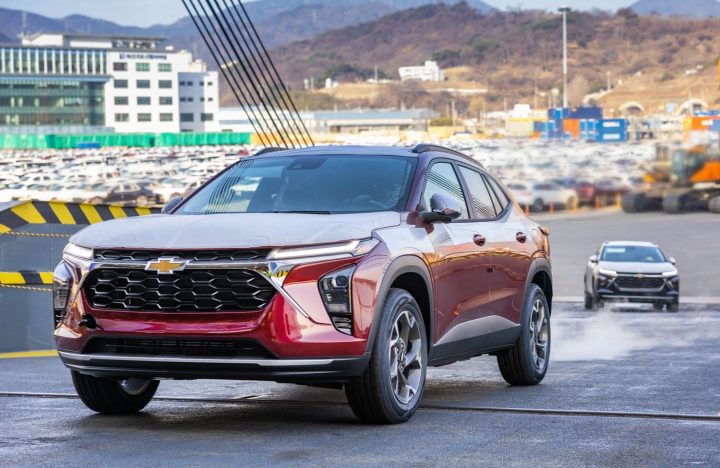
Automakers including Nissan, Hyundai and Toyota currently supply many of the most affordable vehicles sold in the US, filling the gap left by Detroit’s shift toward trucks and SUVs. However, this model relies on a tightly integrated North American supply chain. Components often cross the border several times before final assembly, a system that functions efficiently under the USMCA’s tariff-free structure. Recent policy shifts have upset that balance.
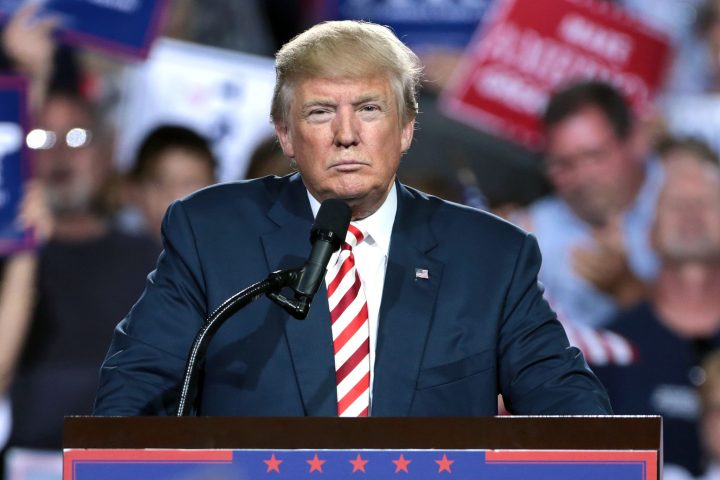
The Trump administration’s latest tariffs impose a 25 percent duty on non-US content, even for vehicles that previously met USMCA requirements. Although the Supreme Court recently deemed such reciprocal tariffs unconstitutional, this saga creates more uncertainty in the global auto manufacturing landscape. Nissan Americas Chairman Christian Meunier put it plainly, “Tariffs have killed our affordable cars.” Its assessment reflects broader industry concerns that entry-level models are becoming financially unsustainable.
Toyota also signaled caution. Head of U.S. sales David Christ noted the uncertainty surrounding future investments, stating, “It’s hard to say, ‘let’s put that $2-$3 billion down right now,’ until you get some sort of resolution.” Despite its long-term commitment to US manufacturing, the company remains hesitant to expand under uncertain trade conditions.
The implications for consumers are immediate. The average transaction price of a new vehicle is now approaching $50,000. Models like the Nissan Sentra and Hyundai Venue – both positioned as affordable vehicles – represent a shrinking segment and still offer accessibility. According to industry data, eight of the 10 cheapest new vehicles sold in the US come from foreign automakers.

Jennifer Safavian, CEO of Autos Drive America, summarized the industry’s position: “U.S. automakers cannot continue to produce affordable choices for American consumers without the certainty and scale provided by the trilateral USMCA.” Although the government has emphasized reshoring and domestic investment, automakers argue that cost pressures and tariffs make low-margin vehicles difficult to justify.
Without a stable trading framework in place, the impact may be an erosion of affordability of vehicles in the US market – leaving fewer choices for cost-conscious buyers.
SUBSCRIBE TO GM AUTHORITY
We’ll send you an email or two a day with the latest GM news coverage. It’s completely free.