- Polestar argues that plug-in hybrids add complexity without producing zero emissions.
- This brand owned by Geely claims that rarely anyone charges it.
- Polestar reckons PHEVs are ‘quickly becoming irrelevant’.
People are spoiled for choice when shopping for a new car. Gasoline, diesel, mild hybrid, full hybrid, plug-in hybrid, battery electric vehicles, and even fuel cell hydrogen vehicles all make up today’s incredibly diverse automotive world. However, one automaker has put all its attention on electric products and no longer considers plug-in hybrids a good choice.
The managing director of Polestar Australia candidly shared his opinion on PHEVs in an interview with local media. Executives from the company controlled by automotive giant Geely are not fans of cars that combine a combustion engine with an electric motor. Talk with Drive magazine, Scott Maynard delivered his blunt assessment:
‘According to me [plug-in hybrid vehicles] is the worst of both worlds. So you have all the complexity of an electric drivetrain, plus all the weight and complexity of a gasoline drivetrain. You don’t have zero emissions, you have an increase in maintenance requirements, because you have all these different systems that need to be maintained independently.’

Maynard’s criticism goes beyond the complications that come from the additional hardware. Polestar officials argue that many PHEV owners rarely charge their cars, thereby failing to maximize the benefits of carrying a battery. An undeniable point I’d like to add is that a plug-in hybrid running exclusively on its combustion engine will be less efficient than an equivalent ICE-only vehicle due to the added weight of the battery. Packaging constraints are also unavoidable.
We can all agree that Polestar bosses in Australia raised some valid concerns about the PHEV’s shortcomings. He believes it is “quickly becoming irrelevant” as advances in electric vehicle technology continue to reduce range concerns.
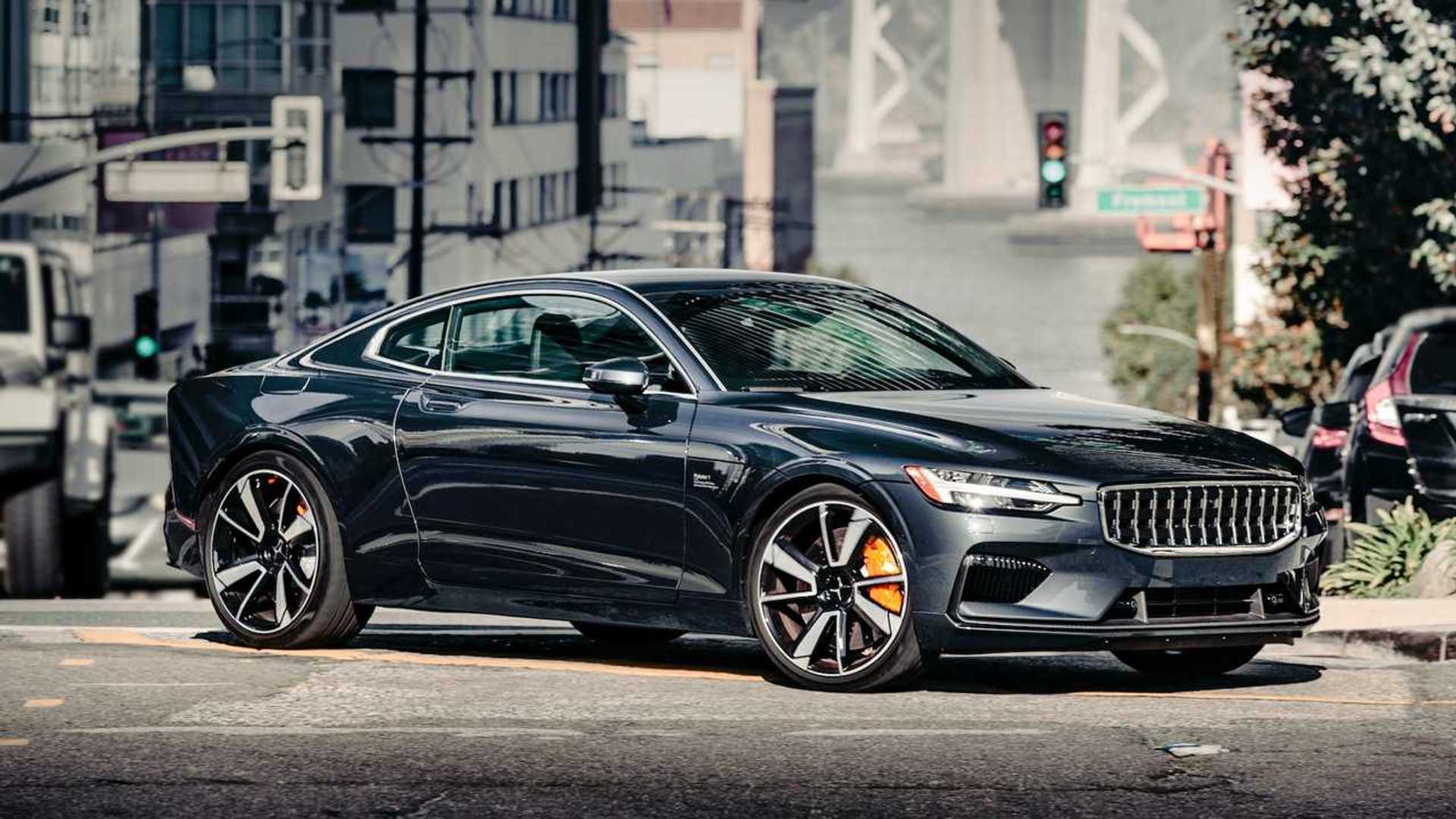
However, there is an element of irony in this stance. The company’s first production model after becoming a standalone brand was the Polestar 1, a plug-in hybrid. Production of China-made PHEVs ended in 2021, after which Polestar effectively transitioned into an electric vehicle-only automaker.
Additionally, Polestar is part of the Geely Group alongside Volvo and Lotus, both of which continue to sell PHEVs. The lesser-known Lynk & Co brand also offers plug-in hybrids, while the Chinese auto giant has electric vehicles with range-extender combustion engines.
25
Motorcycle Pickup1: Although Maynard’s reasoning makes sense, the reality is that in 2026 electric vehicles will still not be a universal solution. Charging infrastructure is still patchy in many areas of the world, where plug-in hybrids could still be a powerful solution. PHEVs have also improved significantly, with models like Volvo’s XC70 offering a wide electric range of up to 112 miles (180 kilometers), albeit under China’s more lenient CLTC standards.
Even plug-in diesel hybrids, such as those sold by Mercedes, are suitable for drivers who spend long periods of time on the motorway but want the option of electric driving in the city. Having an EV as a second car isn’t practical for everyone. In addition to higher annual tax and insurance costs, there is also a need for additional parking.
Electric vehicles will continue to be improved, and charging networks will expand, gradually pushing combustion engines towards retirement. Meanwhile, PHEVs still have a role to play. The emergence of range-extender electric vehicles (REEVs) underscores the industry’s continued reliance on combustion engines, even as electrification accelerates.